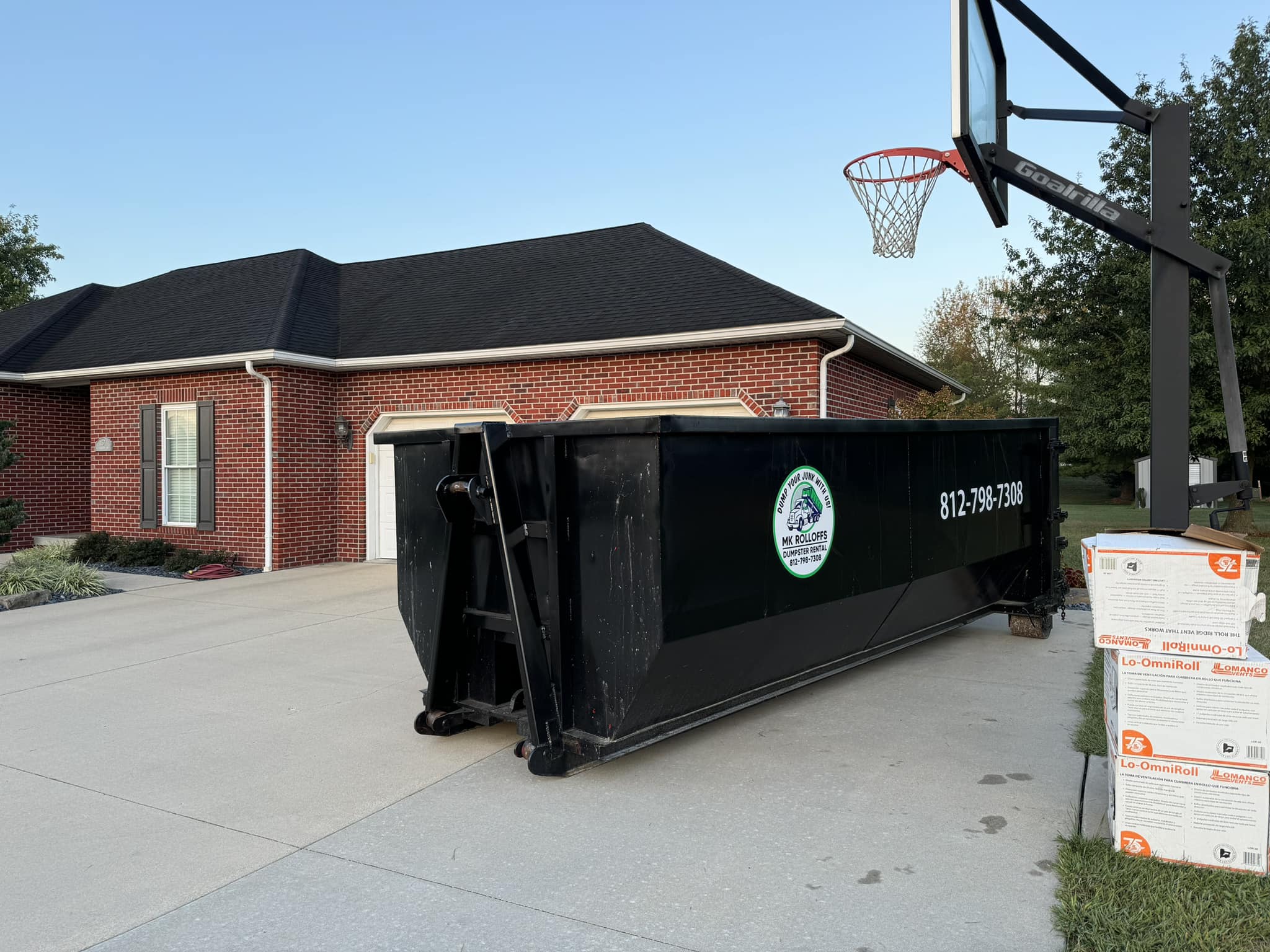
Every successful project depends on smart planning, and that includes keeping disposal under control. Whether you’re remodeling part of your property, doing a large-scale cleanup, or handling debris from a construction site, having a dumpster on-site makes cleanup faster and easier. However, even the most well-planned projects can face unplanned issues if weight limits aren’t properly managed. Extra charges for overweight dumpsters are one of those unnecessary costs that can surprise renters and throw off a project plan.
At MK Rolloffs, we guide clients in learning about dumpster capacity and safe loading practices so they can avoid issues throughout their rental period. Recognizing what makes up total dumpster weight and how to stay within limits ensures your rental runs smoothly from start to finish. With a little awareness and preparation, anyone can manage waste without worrying about overage costs. By identifying weight factors early, you can manage waste more effectively and avoid extra fees.
Understanding Which Materials Contribute to Dumpster Weight
One of the most common causes of overweight dumpsters is underestimating how much certain materials weigh. Items like cardboard, small furniture, and general trash fill volume but add little weight. However, dense materials like bricks, concrete, soil, and shingles can quickly cause the total load to surpass limits even if the dumpster appears only half full. Understanding the difference between light and heavy materials helps you load more strategically.
Keeping heavy debris apart from light trash helps maintain proper weight levels. By dividing materials by type, you can estimate total weight more accurately during disposal. It’s also helpful to avoid mixing heavy debris with lightweight items that can fill gaps inefficiently. Taking time to plan loading order keeps your container level and secure.
Best Practices for Balanced Dumpster Loading
Proper loading is essential for controlling both weight and safety. When debris is unevenly distributed inside the dumpster, it creates stress points that can lead to instability during transport. Uneven loads make hauling risky and can damage equipment. Spreading materials evenly helps maintain stability, keeping transport trash dumpsters smooth and damage-free.
Reducing the size of waste materials allows for even placement. Flattening boxes, disassembling furniture, and compacting materials allows for a neater and more even load. By arranging items thoughtfully inside, you’ll not only use capacity effectively without overloading. This simple habit reduces the risk of overweight charges and keeps your cleanup process running smoothly.
Why You Shouldn’t Combine Different Waste Types
When it comes to managing waste, mixing different types of materials can cause unexpected problems. Blending concrete or brick with light trash can make a container heavier than expected. Different waste types have unique weights, making it tricky to control limits when mixed. Keeping heavy and light debris separate ensures better control over dumpster weight.
Keeping certain waste streams separate also helps ensure compliance with disposal regulations. Some materials require specific handling to prevent damage or contamination during processing. Sorting ahead of time prevents overweight complications and maintains responsible disposal practices. Having a set disposal plan helps you monitor waste effectively and stay within safe limits.
Selecting the Proper Dumpster for Your Project
Picking the right-sized container for your cleanup plays a key role in managing total weight. If your dumpster is too small, you might compress materials to make them fit, increasing total weight quickly. An adequately sized container allows for safe, convenient disposal while keeping within weight boundaries. Having extra space available is often smarter than filling to capacity before finishing the job.
We assist customers in choosing the dumpster that best fits their unique project requirements. By discussing your project details ahead of time, we can recommend an option that comfortably handles the type and amount of debris you expect to generate. This ensures the container is large enough to manage your waste without reaching dangerous weight levels. Choosing the ideal size streamlines cleanup and prevents unnecessary strain on your budget.
Understanding Moisture’s Impact and Hidden Weight Risks
Water absorption is a hidden contributor to excessive dumpster weight. Wood, soil, and similar items quickly become heavier when exposed to rain or humidity. When wet materials are placed into the dumpster, the total load can exceed limits without anyone realizing it. Storing materials in a covered or dry area before disposal helps keep them lighter and easier to manage.
Beyond moisture, dense internal components often cause unintentional overweight issues. Items like refrigerators, shingles, and cabinetry have concealed materials that weigh more than they appear. Taking a moment to inspect and break down these items before disposal can help prevent overweight issues. Awareness of these hidden factors ensures smoother waste management and safer weight levels.
Maintaining Proper Fill Levels for Dumpster Safety
When dumpsters are overfilled, both security and weight restrictions become concerns. It might seem efficient to stack materials above the top edge to fit more debris, but this can cause serious safety hazards during transport. Hauling companies are required to ensure that dumpsters can be safely covered and secured, so an overloaded container may not be accepted until the excess material is removed. A level load avoids safety issues and helps manage weight distribution effectively.
The key is to load materials strategically rather than carelessly tossing them in. Place heavier items on the bottom to create a stable foundation, then fill lighter materials on top to balance the load. Layering strategically ensures full use of space while keeping within the fill boundary. A well-leveled container is safer, more efficient, and easier to haul away on schedule.
Why Weight Estimation Helps Manage Your Rental Effectively
You may not determine precise weights, but making estimates is still highly beneficial. Familiarity with how heavy different materials are helps you control your loading process. Organizing waste by material type helps keep an accurate eye on the total dumpster load. Having a rough idea of weight allows you to know when to pause and possibly order another dumpster.
Monitoring your loading progress ensures you’re not shocked by excess weight at pickup. Many renters find it helpful to load in stages, checking periodically to see how much space and weight remain. This method provides greater control over how much is being disposed of at once. With a little monitoring, it’s easier to avoid going over capacity and maintain a smooth rental experience.
Organizing Early to Prevent Dumpster Overload
A little preparation goes a long way in preventing overweight dumpster issues. Plan ahead by sorting your waste materials before the dumpster arrives. This step not only helps you estimate the amount of waste but also allows for better loading efficiency once the container arrives. With a clear plan in place, you can work more effectively and reduce the chance of exceeding weight limits.
Our advice to renters is to take a mindful, organized approach to disposal. Scheduling waste disposal in phases, sorting materials in advance, and maintaining an organized worksite all contribute to a smoother cleanup process. When you manage waste intentionally, you reduce clutter, stay within limits, and make the most of your rental period. Developing these habits guarantees smoother rentals and better results overall.
Managing Waste the Smart Way
Avoiding overweight dumpster fees starts with knowledge and preparation. Recognizing weight factors and filling responsibly ensures smoother cleanup results. Monitoring what you load helps maintain control and reduce hassle. Consistent planning guarantees efficient and worry-free waste removal.
MK Rolloffs is committed to helping customers handle waste responsibly through reliable dumpster rentals and practical advice. We take pride in providing solutions that make cleanup easier, more efficient, and environmentally conscious. By following the best practices for weight management, you can enjoy the benefits of a hassle-free rental while maintaining a clean, organized worksite. Our goal is to ensure every customer completes their project with confidence, knowing they’ve managed waste the smart way.